
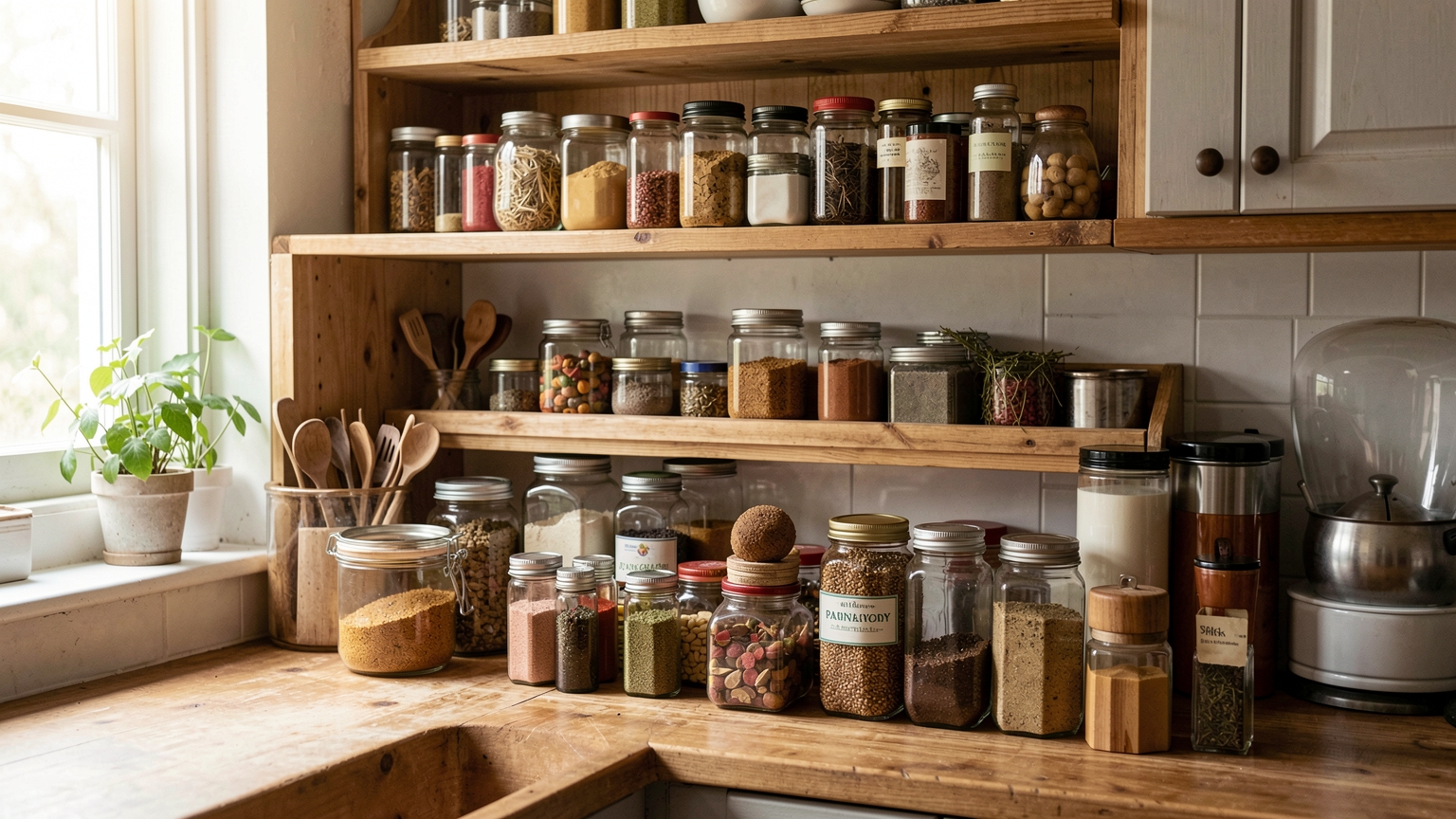
Spices lose flavor over time, and a cluttered spice cabinet makes cooking feel chaotic. Organizing spices is not just about neat shelves; it is about cooking faster and making food taste better. When your spices are fresh and easy to grab, you season more confidently.
Start with a clean reset
Remove every spice, wipe the shelf, and check expiration dates. If a spice smells weak or dusty, replace it. Whole spices last longer than ground spices, so keep whole versions of your most-used flavors when possible.
Buy in smaller quantities
Large containers are cheaper, but spices lose potency over time. Buying smaller jars means you use them while they are fresh. If you cook a lot, consider a refill shop where you can buy just what you need.
Group spices by use
Arrange spices by cuisine or cooking style. For example, keep Italian herbs together, baking spices together, and spicy heat ingredients together. This helps you build flavor faster without hunting for jars.
Whole spices and grinding
Whole spices keep their flavor longer. If you have a small grinder or mortar, you can grind only what you need. Freshly ground cumin or coriander tastes brighter than pre-ground versions, and the difference is noticeable in simple dishes.
Build a core spice kit
If you are starting from scratch, focus on versatile spices: black pepper, cumin, paprika, chili powder, garlic powder, oregano, and cinnamon. Add specialty spices as you cook new cuisines. A smaller, fresher collection beats a large, stale one every time.
Label clearly
Use labels on the top and front of jars. Include the purchase date so you know when to refresh. Clear jars make it easy to see what is inside, but keep them away from direct light.
Create a rotation system
Place newer spices behind older ones so you use the oldest first. This small habit keeps your spice collection fresh and prevents waste. Once or twice a year, do a quick inventory and replace anything that has lost its aroma.
Use spice blends to cook faster
Pre-mixed blends can speed up weeknight cooking. Make your own taco or curry blend in a small jar and label it. This lets you season quickly while still controlling salt and heat.
Reviving or replacing dull spices
To test freshness, rub a pinch between your fingers and smell. If the aroma is weak, it is time to replace the spice. Toasting in a dry pan can wake up some spices briefly, but it will not bring back flavor that is already gone.
Create a cooking-ready spice zone
If you cook daily, keep a small tray of your most used spices near the prep area. This reduces rummaging and makes seasoning more intuitive. The rest of your spices can stay in the main cabinet or drawer.
Freezing for long-term freshness
Some spices, especially those with high oil content like paprika, can benefit from freezer storage. Keep them in airtight containers to avoid condensation. This trick is helpful if you buy in bulk.
Toasting spices for depth
Whole spices can be toasted in a dry pan for 30 to 60 seconds to intensify aroma. Let them cool before grinding. Toasting works well for cumin, coriander, and fennel, and adds a warm, nutty layer to soups and stews.
Simple restock schedule
Check your spice drawer every six months. Replace ground spices that no longer smell vivid. Whole spices can last longer, but if they smell dull, refresh them. A light schedule keeps your collection small and powerful instead of large and stale.
Organize by frequency
Keep daily spices in the front row and special-occasion spices in the back. This simple priority system speeds up everyday cooking and prevents you from buying duplicates of spices you already own.
Jar size and refills
Choose jars that hold a few ounces rather than oversized containers. Smaller jars encourage you to refill more often and keep spices fresher. If you buy in bulk, store the extra in a sealed bag and refill the working jar as needed.
Check for duplicates
When you reorganize, group similar spices together and remove duplicates. Keeping one active jar prevents confusion and keeps flavors consistent.
Mini tasting routine
Once a month, open two or three jars and smell them. If the aroma is weak, use them up quickly or replace them. This tiny habit keeps the whole collection tasting fresh.
Fresh spices make simple meals taste intentional.
When in doubt, buy smaller amounts and restock more often.
Fresh spices are the fastest way to make simple food taste special.
It is a small upgrade with a big payoff.
You will taste the difference in the very next meal.
It is worth the small effort.
Fresh flavor builds confidence in the kitchen.
Choose the right storage method
A drawer insert keeps spices flat and visible. A tiered shelf lets you see labels at a glance. Magnetic jars can work but should stay away from heat sources.
Maintain freshness
Store spices in a cool, dry cabinet. Heat and humidity degrade flavor. Avoid storing spices above the stove, where steam and heat shorten their life.
Related articles
- Salt Smarter: Seasoning Stages for Better Flavor
- Soup Building 101: Layering Flavor with Mirepoix and Aromatics
FAQ
How long do spices stay fresh?
Whole spices can last 2 to 3 years, while ground spices are best within 1 year for peak flavor.
Should I store spices near the stove?
Heat and light degrade spices. Store them in a cool, dark cabinet for best flavor.
What is the best way to label spices?
Label jars with the spice name and purchase date so you can track freshness and restock easily.
Conclusion
A tidy spice setup saves time and improves flavor. Once your spices are organized and fresh, cooking feels simpler and more intuitive.